Buzz & Play Bee Day Gamification
UX/UI Design
Gamification
Web Development
The Challenge
To mark May 20 – World Bee Day, the Embassy of Slovenia in North Macedonia sought a creative and educational way to raise awareness about the importance of bees. The aim was to reach elementary school children through a digital experience that was interactive, multilingual (Macedonian and Albanian), and age-appropriate. The solution had to engage young users while also promoting learning about biodiversity, pollinators, and environmental responsibility.
In addition, the campaign needed to facilitate participation from across the country and allow for a transparent, unbiased selection of winners among quiz participants.
Our Approach
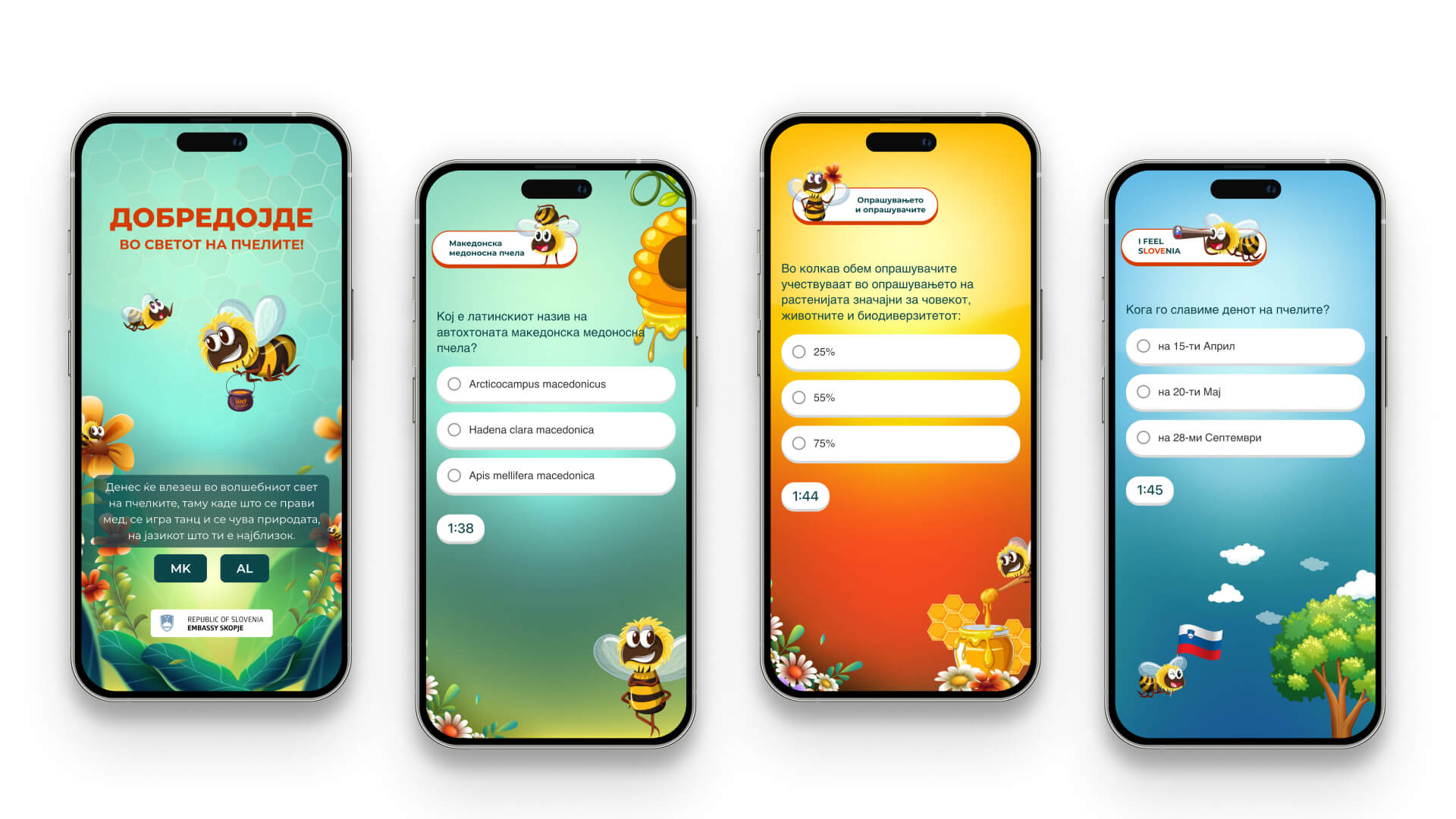
At Twobyfour, we approached this project by treating education as play. Understanding the short attention spans and visual preferences of young learners, we designed a playful, colorful UI that would feel more like a game than a quiz. The experience was broken down into three thematic quizzes, each containing five carefully crafted questions about bees and their role in the ecosystem.
Though the platform was built on WordPress for flexibility, we employed custom HTML, CSS, and JavaScript to deliver a smooth, responsive, and gamified experience. To encourage participation, successful quiz completion led users to a submission form, entering them into a giveaway. We also ensured the quiz was fully accessible in both Macedonian and Albanian, increasing its inclusivity.In addition, the campaign needed to facilitate participation from across the country and allow for a transparent, unbiased selection of winners among quiz participants.
Being part of this project was more than just creating a digital quiz, it was about inspiring curiosity and environmental awareness in the youngest minds. At Twobyfour, we’re proud to have contributed to a playful yet meaningful experience that educates and celebrates the importance of bees.
The Insights
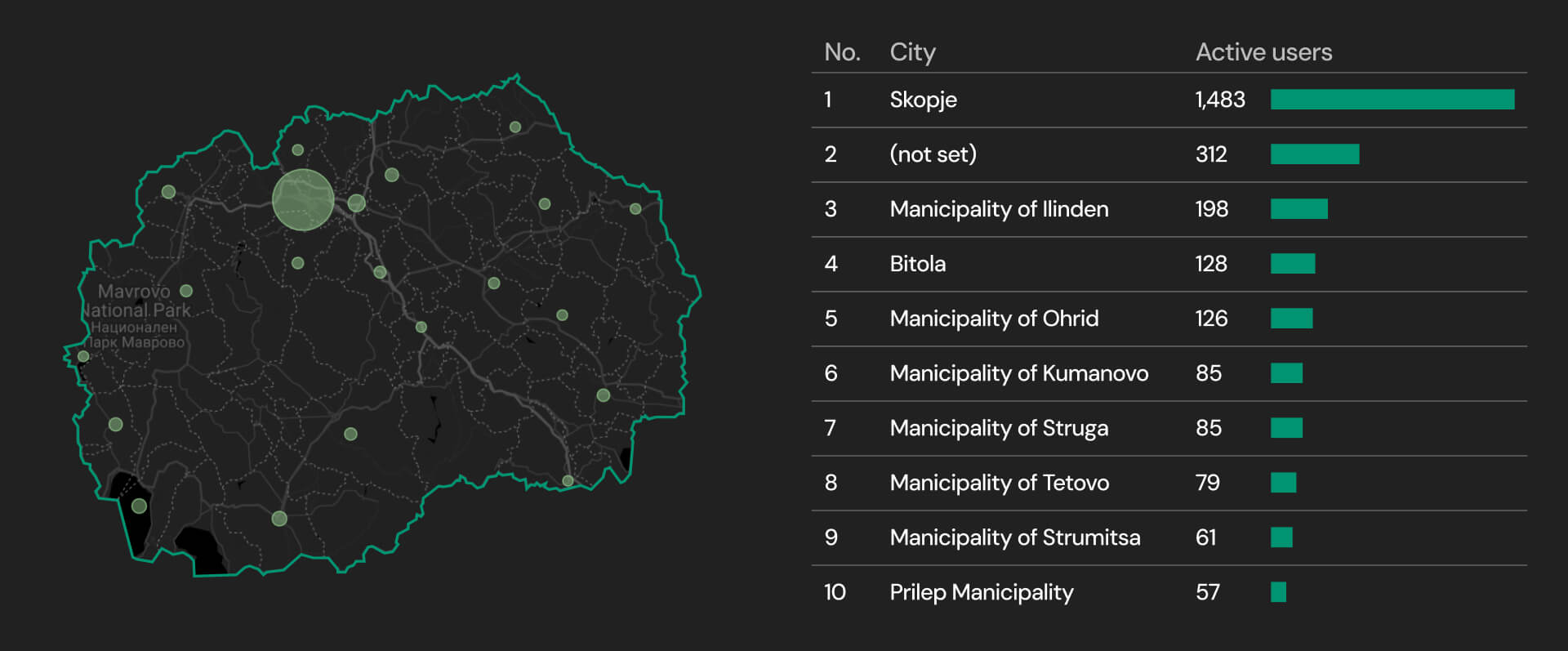
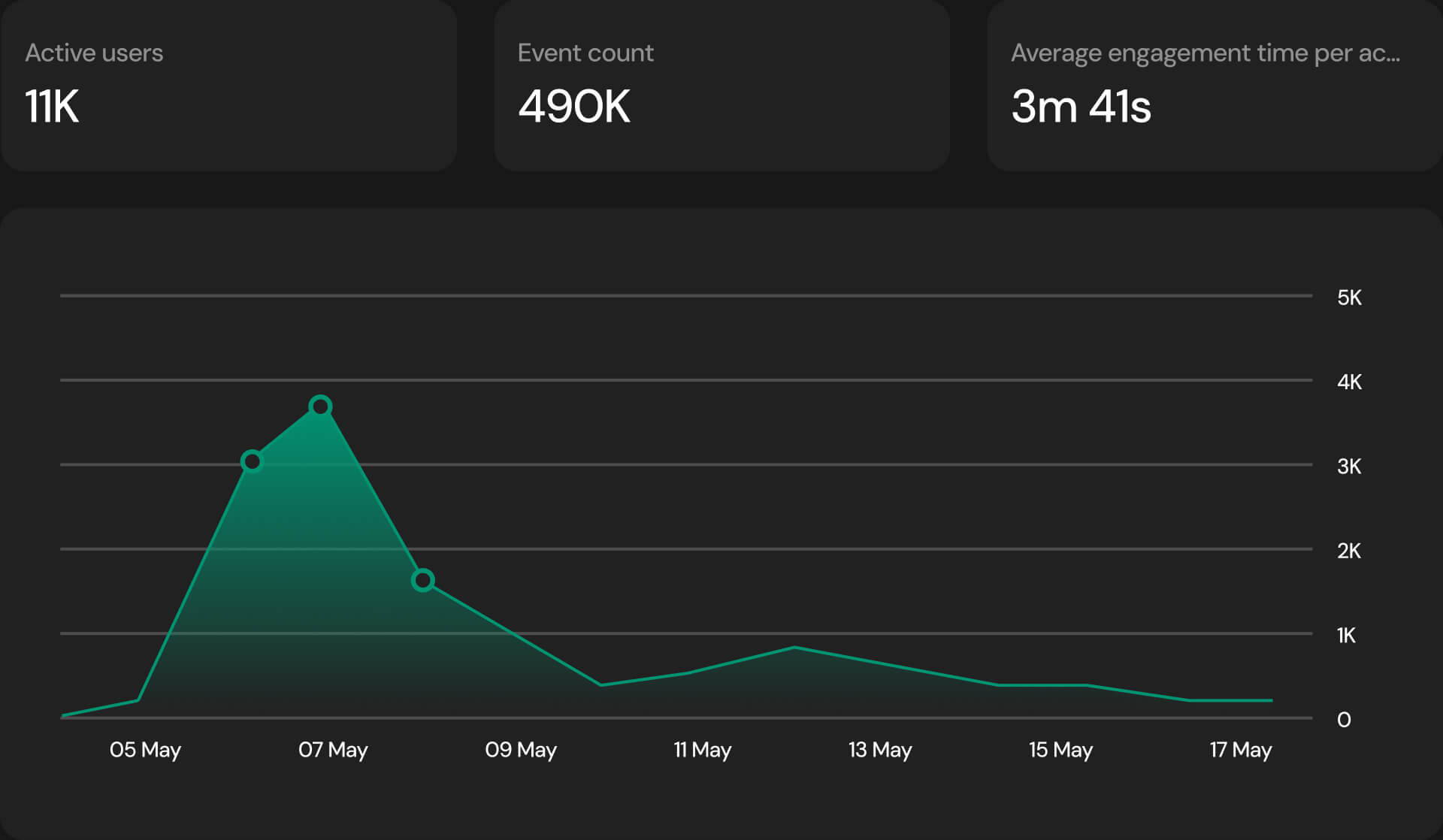
The final result was a gamified educational platform (denotnapcelite.mk) that reached nearly 10,000 students across North Macedonia:
Success of the Project